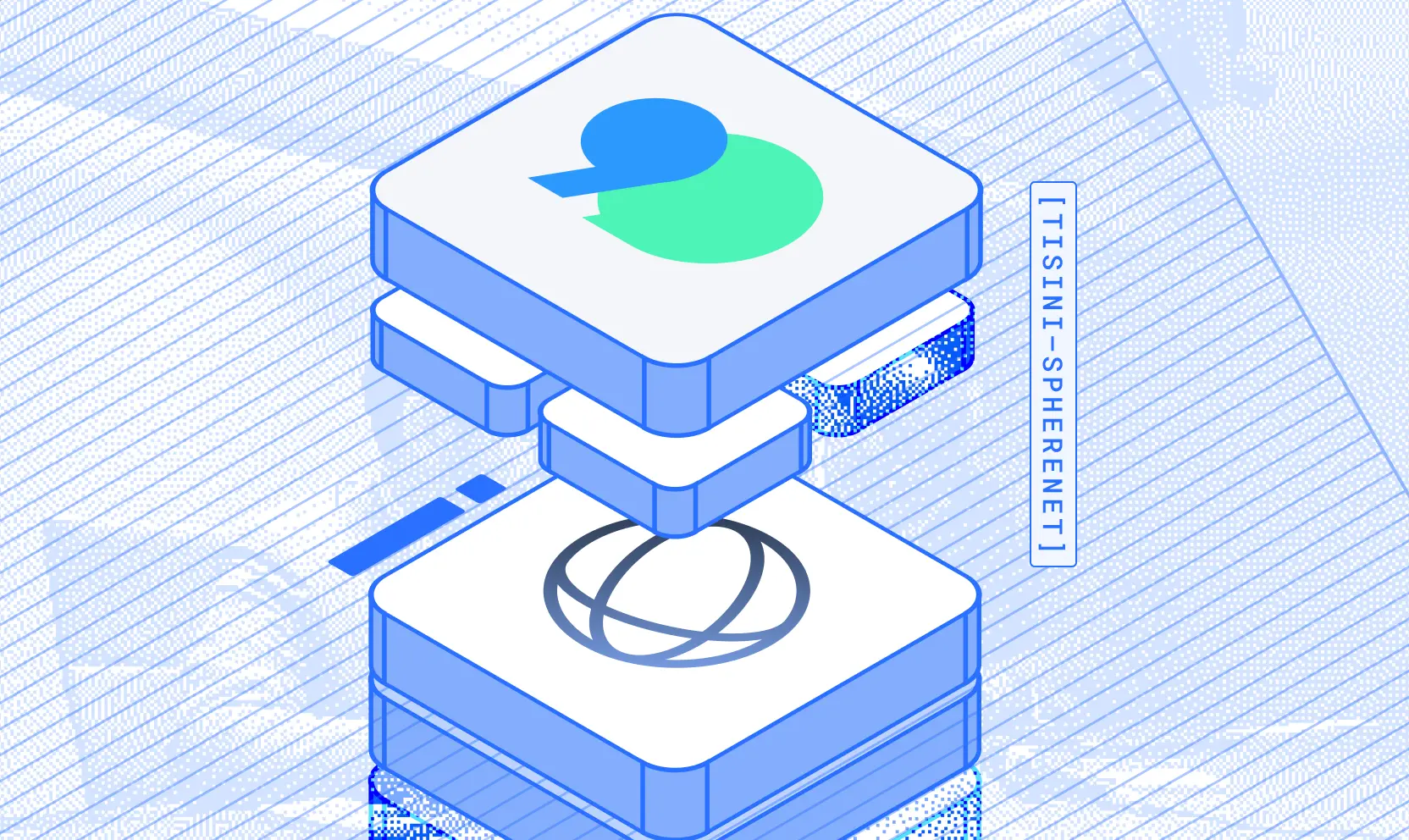
Introducing SphereNet
An examination of the structural constraints between blockchains, banks, and regulators.
Reflections from Solana Breakpoint 2024
At Solana Breakpoint 2024, a recurring theme surfaced across conversations between builders, financial institutions, and regulators: while blockchain infrastructure has advanced rapidly, moving real value between on-chain systems and the traditional financial world remains structurally difficult.
We discussed several of the underlying reasons for this gap were outlined. Not as a critique of blockchains, but as an observation drawn from years of interaction between open networks, banks, and regulatory frameworks.
The conclusion was not that any one group is misaligned, but that the interfaces between them were never designed to work together by default.
The Invisible Constraints of Open Systems
Public, permissionless blockchains are powerful precisely because anyone can participate. But that same openness introduces ambiguity that regulated financial institutions are required to manage.
Questions such as:
- Who is validating transactions?
- Who are fees being paid to?
- Who is on the other side of a transfer?
- How is source of funds determined?
These are not theoretical concerns. They are foundational requirements under global financial regulations governing money laundering, sanctions compliance, and risk management.
As blockchain ecosystems have grown, so too has the importance of reputational and counterparty risk. The result is a paradox. Adoption increases demand for scale, while scale increases the burden of compliance.
The Coordination Problem Between Blockchains, Banks, and Regulators
Another theme highlighted was the difficulty of aligning three distinct constituencies at once: blockchains, banks, and regulators.
Each operates under different incentives and constraints. Blockchains prioritize openness and performance. Banks prioritize risk management and accountability. Regulators oversee systemic stability and legal compliance.
Finding overlap between all three is rare, and often results in narrow, bespoke solutions. This helps explain why onramps, offramps, and settlement limits remain constrained despite significant technical progress across blockchain infrastructure.
Why Performance Alone Is Not Enough
Higher throughput, lower fees, and faster execution are necessary but insufficient conditions for mainstream financial interoperability.
Regulated institutions also require:
- Predictable execution environments
- Clear economic and accounting treatment
- Privacy guarantees aligned with legal obligations
- Compliance mechanisms that do not rely on retroactive controls
Without these properties embedded at the infrastructure layer, blockchain-based finance struggles to move beyond experimental or isolated use cases.
A Neutral Coordination Layer
SphereNet was introduced in this context as an attempt to address the coordination problem itself.
Rather than positioning as a financial intermediary or application, SphereNet is designed as a credibly neutral infrastructure layer. Its role is to enable regulated participants across jurisdictions to interact with blockchain systems through shared standards, clear accountability, and interoperable rails.
One analogy used during the talk compared this model to a decentralized network of local experts. Participants operate under different regulatory regimes, languages, and market conditions, but rely on a common, neutral platform to discover each other and transact without bespoke integrations.
Infrastructure for Interoperability
SphereNet does not seek to replace public blockchains, banks, or existing financial institutions. Instead, it focuses on the connective tissue between them.
By aligning high-performance blockchain environments with compliance-aware design, SphereNet aims to reduce friction for any institution or fintech seeking to operate across on-chain and off-chain systems, without privileging any single business model or participant.
A Broader Industry Reflection
The Solana Breakpoint 2024 discussion was less about announcing a product and more about articulating a shared industry challenge.
As blockchain adoption accelerates, the question is no longer whether the technology works, but whether the surrounding infrastructure can support it responsibly at scale.
SphereNet exists as one response to that question.

Subscribe to SphereNet Blog
No spam. Just the latest releases and tips, interesting articles, and exclusive interviews in your inbox every week.